
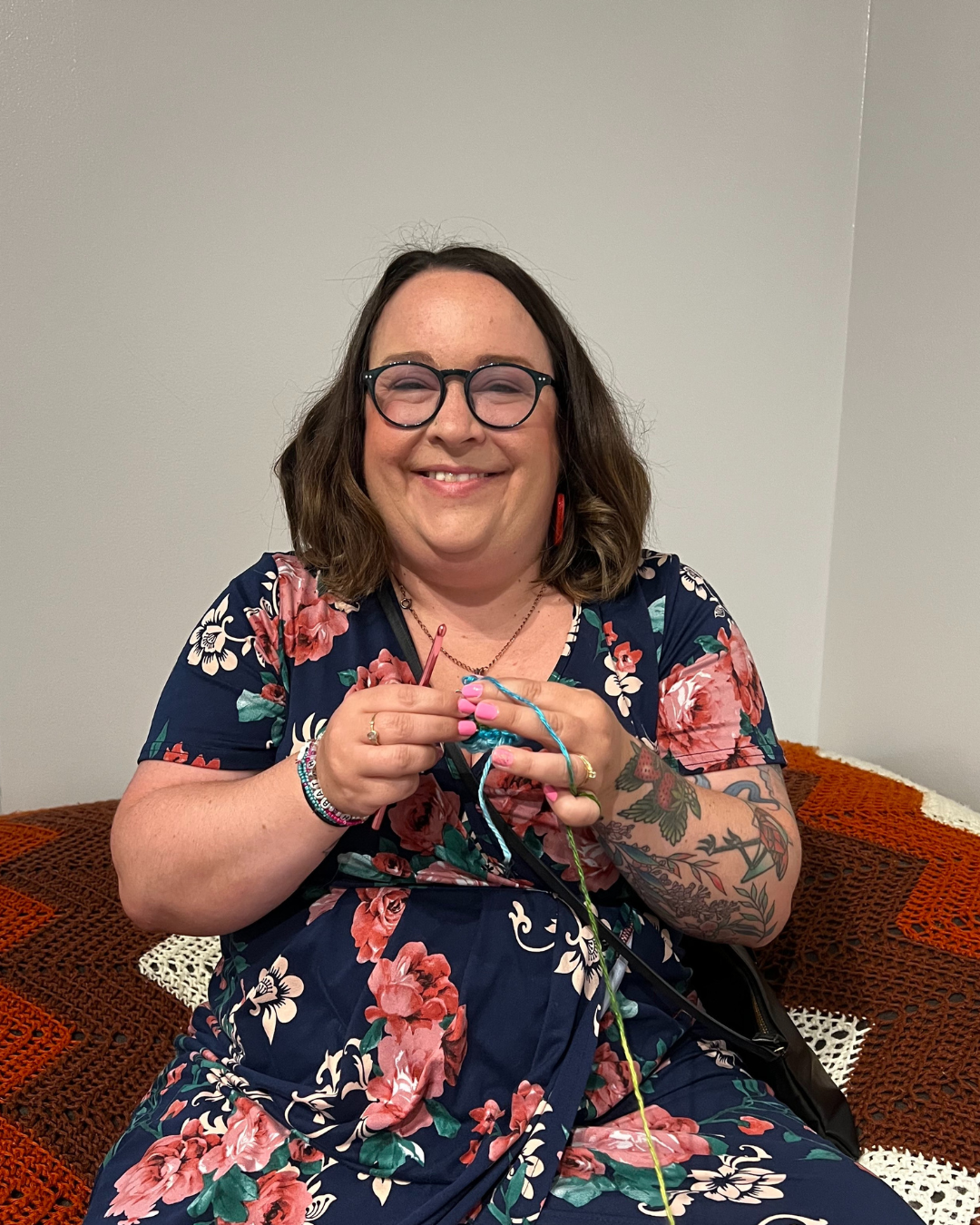
In 2019, Rachelle, a 32-year-old teacher in Edmonton, Alberta, began experiencing troubling and persistent breathing difficulties. It wasn’t fatigue; her breathing was noticeably strained, a fact her own mother and colleagues had pointed out.
Initially, she dismissed it as the rigors of teaching kindergarten, but the problem persisted. Eventually, she sought new medical advice, leading to referrals to a pulmonologist and an ear, nose, and throat (ENT) specialist.
The Search for Answers
The initial tests provided little clarity. A pulmonologist ruled out severe asthma but diagnosed mild sleep apnea, which still didn’t explain the ongoing struggle to catch her breath. “The tests turned out to be diversions from the actual issue,” Rachelle noted.

Life Turned Upside Down
Vasculitis forced a complete shift in Rachelle’s life. In June 2022, she made the difficult decision to leave her teaching career, as being immunosuppressed made her constantly ill. She transitioned to a team-lead office role, which has proven much more manageable for her health.
Her condition dictates the pace of her life. She can go for months living “a pretty normal, active life.” However, when a flare-up necessitates surgery, “daily activities become so much harder.” The mental and emotional adjustment was heavy, leading her to take an antidepressant for several years, though she has since tapered off. “I’m doing well overall now, but I still have some hard days,” Rachelle shared.
Life Today: Love, Community, and Perspective
Just a month after her official diagnosis, Rachelle met her now-husband, JD, who has become her biggest support. They married in June 2024 and share their life with a corgi and two cats. Rachelle remains a person of wide-ranging passions, including yoga, swimming, reading, and various arts like crochet and painting.
Her robust support system has been crucial. “My amazing husband has been the biggest support, right by my side, for all the ups and downs,” she said. Her family and friends are loving, and her sister even created an infographic to help Rachelle explain vasculitis to others.
Rachelle also found community through resources like the Vasculitis Foundation, its podcast, and virtual support groups. She even reconnected with an old friend who has Behçet’s disease, providing a unique sense of understanding.
Finding Balance and Moving Forward
Rachelle has learned to navigate her condition with endurance and self-kindness. During flare-ups, she slows down, asks for help, and schedules her next ENT appointment. When feeling well, she prioritizes movement—walking, swimming, dancing, and yoga.
Living with vasculitis has deepened her gratitude and empathy, giving her a new perspective on life. She and her husband make a point of planning fun trips and activities when she’s healthy, ensuring they always have something to look forward to. Her personal mantras reflect this resilience: “It’s not a sprint, it’s a marathon” and “All I can do is the next right thing.”
Rachelle hopes for a future where her disease is more manageable, surgeries are less frequent, and life holds more room for joy and adventure.
Rachelle’s Advice to Others with Vasculitis
“First and foremost, be kind and gentle with yourself—you can do hard things. Reach out to support groups. Ask lots of questions. Know that vasculitis can look different for everyone, and that’s okay—you can still learn from others. And do your best to ask for help and rest when you need it.”