
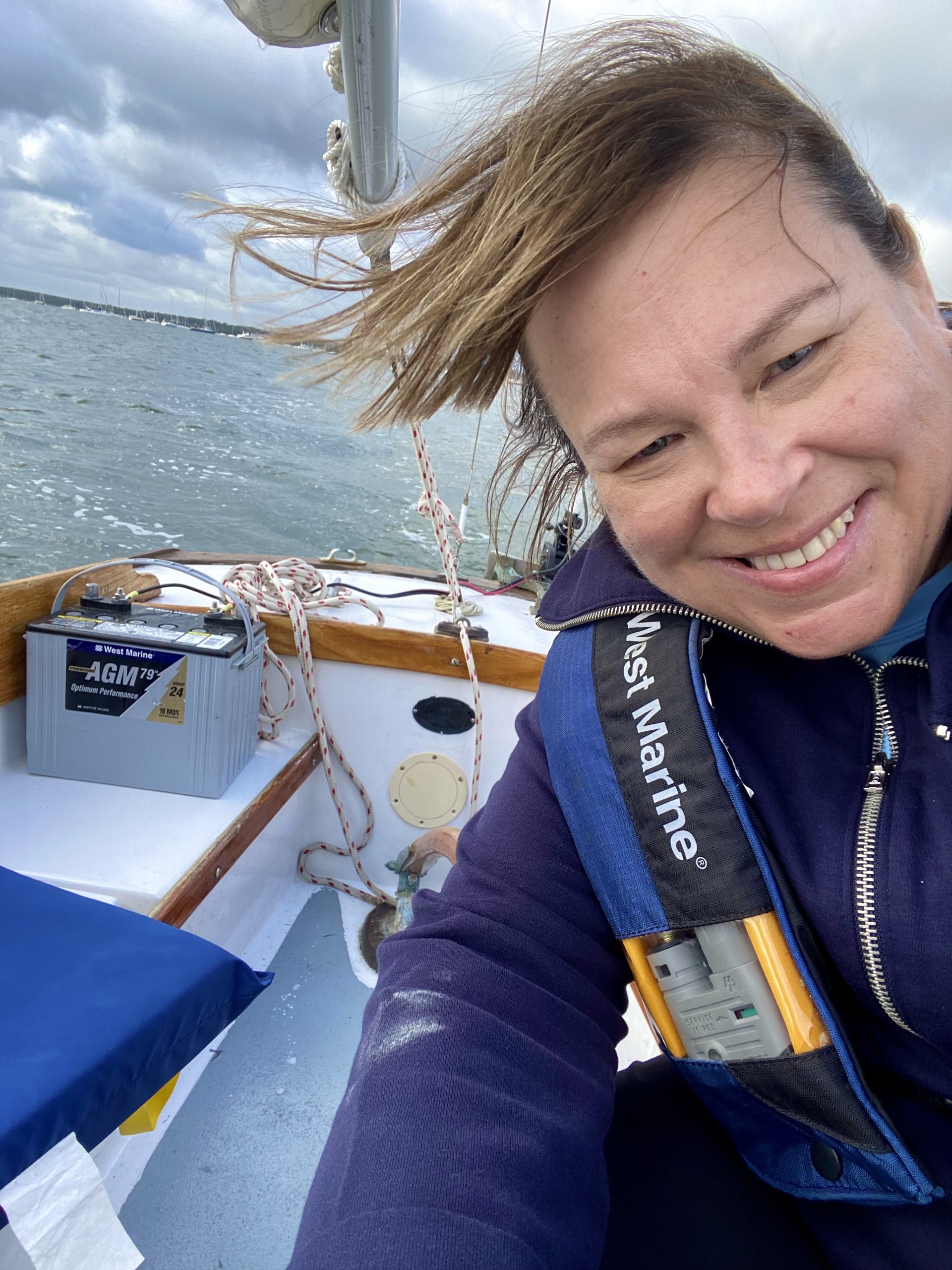
When Heidi talks about her life, she does so with clarity, humor, and scientific precision. A 58-year-old scientist from Rhode Island, she describes herself as analytical, introverted, and curious. “I love to read, look at rocks, ski, play snare drum, and sail,” she said. Married and without children, Heidi built a life grounded in discovery—until a medical journey in 2020 changed everything.
The First Signs Something Was Wrong
Heidi’s symptoms began subtly and then escalated. “I had a very stuffy nose, pain and fullness in my ears, nosebleeds, and then a sharp pain in my chest followed by friction rubbing sounds in my lungs—like leather on leather,” she recalled.
Because her symptoms pointed to lung involvement, Heidi was referred to pulmonologist Leila Lamp, MD. The timing made the experience even more frightening. “I was so terrified not knowing what I had and seeing her during the beginning of the pandemic,” she said.
Early diagnoses focused on more common explanations. “They thought I had a sinus infection, pneumonia, COVID, and lung cancer,” Heidi explained. Dr. Lamp pushed for further testing, including a PET scan and extensive blood work, determined to find answers.
A Diagnosis She’d Never Heard Of
In August 2020, after CT scans, a lung biopsy, and multiple blood tests, Heidi was diagnosed with granulomatosis with polyangiitis (GPA), formerly known as Wegener’s granulomatosis.
When asked if she had heard of vasculitis before, Heidi said, “No, never—though my mother had polymyalgia rheumatica and giant cell arteritis 25 years ago, and I didn’t know those were forms of vasculitis.” While the diagnosis provided clarity, it would not be the full picture.
A Critical Turning Point
Shortly after her diagnosis, insurance issues prevented Heidi from continuing care with Dr. Lamp. About three months later, she saw a new pulmonologist, who quickly recognized that something more serious might be happening.
During that visit, the pulmonologist consulted with rheumatologist Deepan Dalal, MD, MPH, RhMSUS. After reviewing Heidi’s symptoms and ANCA blood test results, Dr. Dalal raised an urgent concern about her kidneys.
Blood tests drawn that same afternoon revealed Heidi was already in renal failure. “If it wasn’t for him, I don’t know what would have happened,” she said.
Until then, Heidi had no obvious kidney symptoms—no blood in her urine, no back pain, and no decrease in urination. What she had noticed was worsening shortness of breath, which she assumed was due to her lung granulomas.
A kidney biopsy confirmed a second rare autoimmune disease: Goodpasture’s syndrome, also known as anti-GBM disease. “I remember saying, ‘So I don’t have GPA?’” Heidi recalled. “They told me I was probably double positive—I had both GPA and Goodpasture’s disease.”
Living With—and Beyond—Vasculitis
Today, Heidi is in drug-free remission, something she does not take for granted. She continues regular blood tests to monitor kidney function and still feels some residual pain when taking deep breaths due to lung damage. “But compared to the beginning,” she said, “I really don’t have any challenges—luckily.”
Early on, the emotional impact was heavy. “It really affected my family when we read that GPA can be fatal if not treated,” she said. Over time, knowledge replaced fear. “Now I feel much more confident in my understanding of vasculitis.”
Support, Science, and Hope
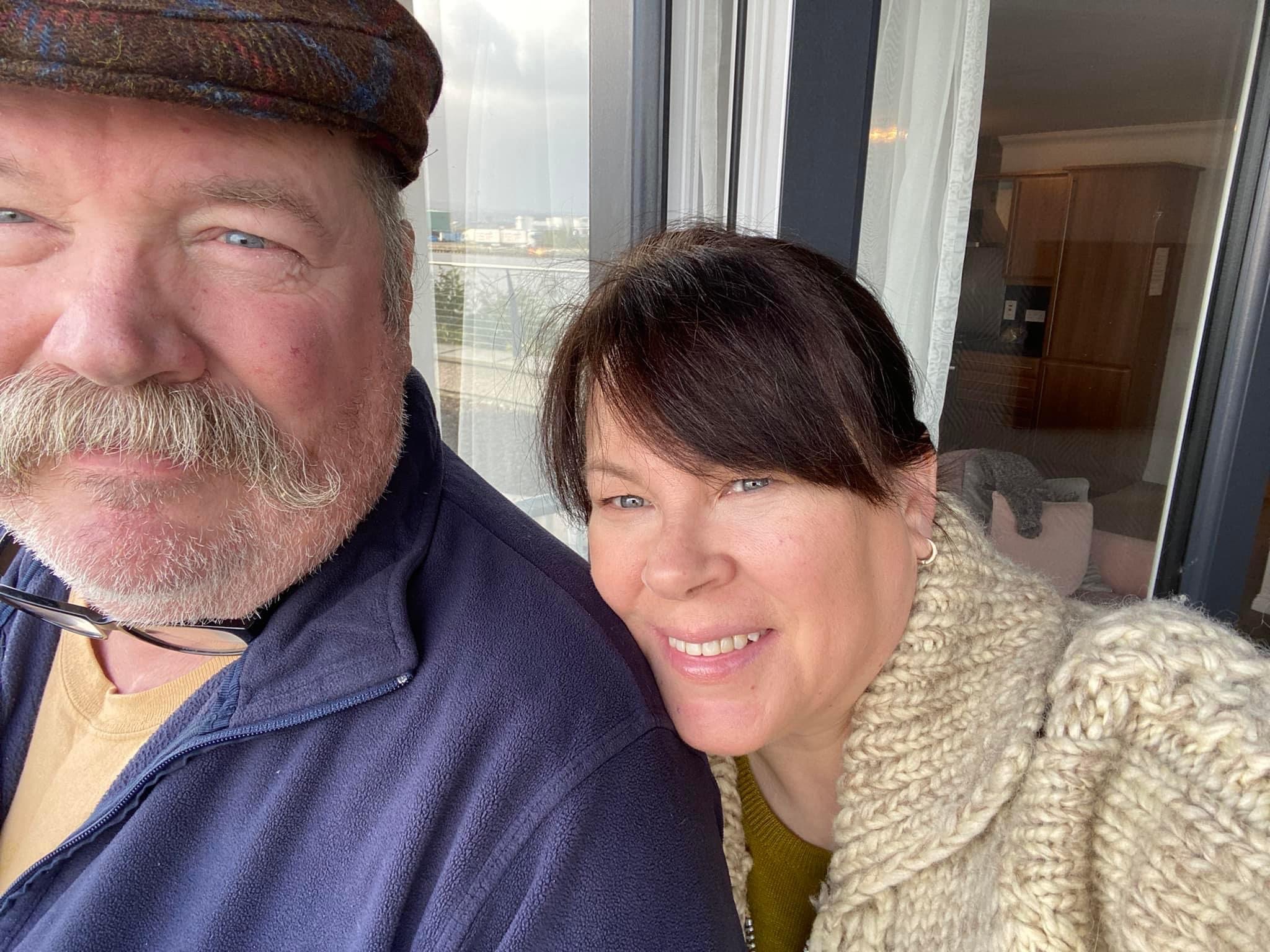
Heidi credits her support system—especially her husband, Chris Lussier. “Chris is a calm, sweet support,” she said. “At the beginning, he drove me to appointments and sat with me.”
She also finds community through Facebook groups for GPA and Goodpasture’s disease, as well as the Vasculitis Patient-Powered Research Network and the Vasculitis Foundation.
As a scientist, Heidi draws hope from progress. “What gives me hope is that researchers, scientists, and doctors are working on targeted drug development. Treatment keeps getting more sophisticated.”
A Changed Perspective
Heidi’s experience reshaped how she thinks about diagnosis. “I used to believe in Occam’s razor—the simplest explanation,” she said. “But I didn’t have a simple disease. I had two rare autoimmune diseases.”
She has not experienced a flare so far—“knock on wood”—and has returned to her normal diet following kidney recovery.
For those newly diagnosed, Heidi encourages connection. “Talk with all of us in the groups. Ask questions. We want to help allay fears and doubts.”
Heidi’s story is one of resilience, scientific curiosity, and the power of community—proof that even in the face of rare disease, confidence and hope can grow through knowledge, advocacy, and support.