David Seller’s Story:
Living with EGPA, Finding Strength and Turning Adversity into Hope
Forty-three-year-old David is from Northamptonshire, England, and has faced considerable adversity. Having lived with ulcerative colitis since the age of 11, survived bowel cancer and received a diagnosis of a rare form of vasculitis, he knows what it means to navigate serious illness and uncertainty.
But David’s story is about more than his health challenges. It is about family, resilience, mental health and his determination to use his experiences to make a positive difference in the lives of others.
A father of three — two girls and a boy — David draws much of his strength from his children. “They give me the support and the drive to keep fighting, even on bad days, because I want to spend as much time as I can with them and see them grow up.”
Now, he hopes to share his story to raise awareness of EGPA, encourage conversations about mental health and help others feel less alone.
A Frightening Journey to Diagnosis
David’s latest health challenges began in August 2022, when he started experiencing episodes of passing out, breathing difficulties, sinus problems, numbness, pain and fatigue. He also experienced a neurological problem that was described to him as an enlarged brain.

Despite the seriousness of his symptoms, David felt that his concerns were not always fully recognised. At times, he thought his symptoms were being attributed to psychological causes rather than investigated further. “When you know something is wrong with your body but struggle to get people to understand what you are experiencing, it can leave you feeling helpless and isolated.”
Over approximately five months, David experienced 22 hospital admissions while searching for answers. Although the time to diagnosis was relatively short compared with some rare-disease journeys, the intensity of those months was extremely difficult.
The turning point came when black spots appeared on his feet and legs. An A&E (emergency department) consultant recognised the significance of the skin changes, identified the condition and, David recalled, apologised to him.
In December 2022, David received his confirmed diagnosis of eosinophilic granulomatosis with polyangiitis (EGPA). While having an explanation for his symptoms brought some relief, it also raised new fears about what the future might hold.
David spent days and nights in the hospital searching online for information and trying to understand what the diagnosis meant for his life.
Understanding Life with EGPA
EGPA is a rare form of systemic vasculitis, a condition involving inflammation of blood vessels. It is associated with an increase in a type of white blood cell called eosinophils and can affect multiple organs. Symptoms and severity vary from person to person, which can make diagnosis and treatment challenging.
Despite his extensive medical history, David had never heard of vasculitis before his diagnosis. His experience has reinforced his belief that greater awareness of rare diseases is needed, both among the public and within healthcare.
Living with EGPA involves more than medical appointments, blood tests and treatment plans. The condition can affect physical health, independence, relationships and emotional well-being. Unpredictable symptoms and flare-ups can also make it difficult to plan ahead.
For David, one of the most difficult aspects of his diagnostic journey was feeling that his concerns were not always taken seriously. “Being made to feel that your symptoms are in your head, particularly when you are frightened and searching for answers, can be incredibly damaging.”
He hopes his experience encourages greater understanding of the challenges faced by people with rare conditions and reminds patients that they deserve to be listened to, even when they struggle to explain symptoms they do not yet understand themselves. “Being believed and listened to is not a small thing. It can make a substantial difference to how a person experiences their illness and navigates the healthcare system.”
The Importance of Compassionate Care
David’s diagnosis involved the A&E consultant, followed by input from specialists in rheumatology, respiratory medicine, neurology and dermatology.
Among those who have supported him, his rheumatology consultant, Dr. Rachel Jeffery, has made a particularly significant difference. “Dr. Jeffery is the most amazing consultant ever. She has gone above and beyond, way beyond her duties as a consultant.”
David recalled receiving a phone call from her at almost 10 pm because he had been on her mind. He believes that without her care and commitment, his medical situation could have been considerably worse. Her support has shown him the difference that compassion and genuine commitment can make when living with a complex condition.
Medical expertise is essential, but so is knowing that someone is listening, taking concerns seriously and looking beyond the immediate symptoms. David hopes that greater understanding and communication between patients and healthcare professionals will help others facing similarly difficult diagnostic journeys.
Treatment, Flare-Ups and Uncertainty
David’s treatment is extensive and includes immunosuppressive medication and biologic treatment. When significant flare-ups occur, chemotherapy drugs may also be used as part of his treatment plan.
His experience highlights how unpredictable EGPA can be. “My flare-ups vary in how bad they are and the length of time between them. I was in 14 months of remission, and then I had quite a bad flare-up, which was a three-week hospital admission and extensive chemotherapy drugs.”
Periods of stability can offer a welcome break from the demands of illness, but a flare-up can bring renewed uncertainty and disrupt everyday life.
Managing EGPA also means balancing treatment, monitoring, appointments and potential medication side effects while trying to maintain as much normality as possible. For David, understanding his condition, recognising changes in his health and working closely with his medical team remain important parts of managing life with vasculitis.
The Impact on Mental Health
David’s experiences with EGPA and bowel cancer have changed the way he looks at life. Alongside the physical challenges, he has faced the emotional strain of uncertainty, repeated hospital admissions and the difficulties of navigating serious illness.
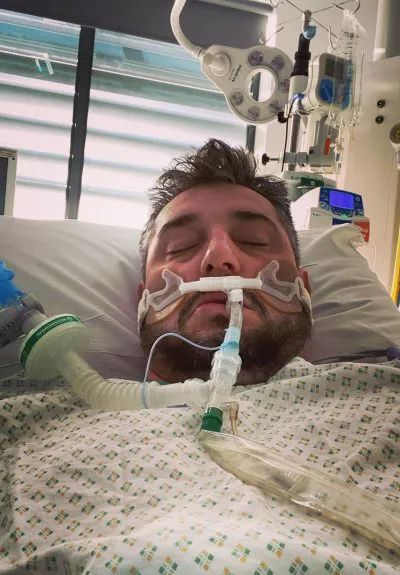
Living with a rare disease can be isolating, particularly when others have little knowledge of the condition. The emotional burden can extend beyond physical symptoms to worries about the future, relationships and the impact illness has on everyday life.
David believes this side of serious illness deserves greater recognition. “Patients need more than medical treatment; they also need to feel heard, supported and understood.” He wants people to understand that nobody has to pretend to be strong every day. Feeling frightened, frustrated or overwhelmed is entirely understandable, and asking for emotional support should never be seen as a weakness.
By sharing his experiences, David hopes to encourage more open conversations about mental health and help others recognise that they do not have to face the emotional challenges of illness alone.
Family, Hope and Finding Strength
Through the difficult days, David’s three children remain his greatest motivation. He wants to watch them grow, spend as much time with them as possible and make memories together.
David thanks his parents, Jonathan and Jennifer Seller, for their love, support and generosity over the years. From helping him financially when he has been unable to work, to being there for him with simple daily tasks, such as getting dressed when his vasculitis has been at its worst, they have always stood by him. “I honestly don’t know where I would be today without them, particularly through the darkest periods of my life, including my struggles with PTSD,” he said. “I will always be grateful for everything they have done and continue to do for me.”
He also finds value in connecting with other people affected by EGPA and learning from conversations with nurses, doctors, consultants and professors. These experiences have helped him understand the different ways the condition can affect people and the importance of sharing knowledge.
David recognises the value of reliable information and organisations such as the Vasculitis Foundation, which can help people access educational resources and connect with a wider community.
He believes that medical knowledge and lived experience are equally valuable. Healthcare professionals offer specialist expertise, while patients understand what it feels like to live with the condition every day. Bringing these perspectives together can help people feel better informed and supported.
When asked what helps him through his vasculitis journey, David shared this mantra: “Never stop fighting and enjoy life, even on the bad days, put a smile on your face.” He tries to put this into practice every morning. “Personally, I look in the mirror every morning and tell myself today is gonna be a good day. Start positive.”
For David, maintaining a positive outlook is not about pretending everything is fine. It is about recognising that difficult days are part of life while continuing to find reasons to move forward.
Turning Adversity into Something Positive
David now wants to use his experiences to make a difference beyond his own life. He hopes to start a blog or Facebook page where he can share his story, raise awareness of EGPA and talk openly about the realities of living with serious illness.
Looking further ahead, he would also like to speak to organisations and corporations about mental health and mental health awareness, using what he has experienced to give others strength. “What gives me hope is the possibility of making a positive difference to someone else’s life by sharing what I have experienced.”
David understands how frightening it can be to face a serious illness without knowing what lies ahead. He hopes that by speaking openly about his journey, he can help others feel understood and encourage more compassionate conversations about rare diseases and mental health.
His advice to someone newly diagnosed with vasculitis is to learn about their condition through reliable sources, ask questions, keep track of symptoms and build a good relationship with their healthcare team. Just as importantly, he encourages people to seek emotional support when they need it.
Above all, he wants others to remember that their diagnosis does not define them. “You are more than your diagnosis.”
Looking to the Future
David’s journey has included serious illness, uncertainty and difficult experiences, but it has also strengthened his determination to help others. His experiences have given him a strong desire to support people who may be struggling to find answers or feel that nobody understands what they are going through.
David cannot change what he has experienced, but he hopes to turn those experiences into something positive. Through sharing his story, he wants to raise awareness of EGPA, encourage greater understanding of mental health and remind others of the importance of compassion.
His message is simple: listen to others, speak openly about mental health and remember that even on the hardest days, there can still be hope.
As David reminds himself each morning, starting the day positively and continuing to move forward can make a difference. And if sharing his experiences helps even one person feel less alone, he believes it will have been worthwhile.