
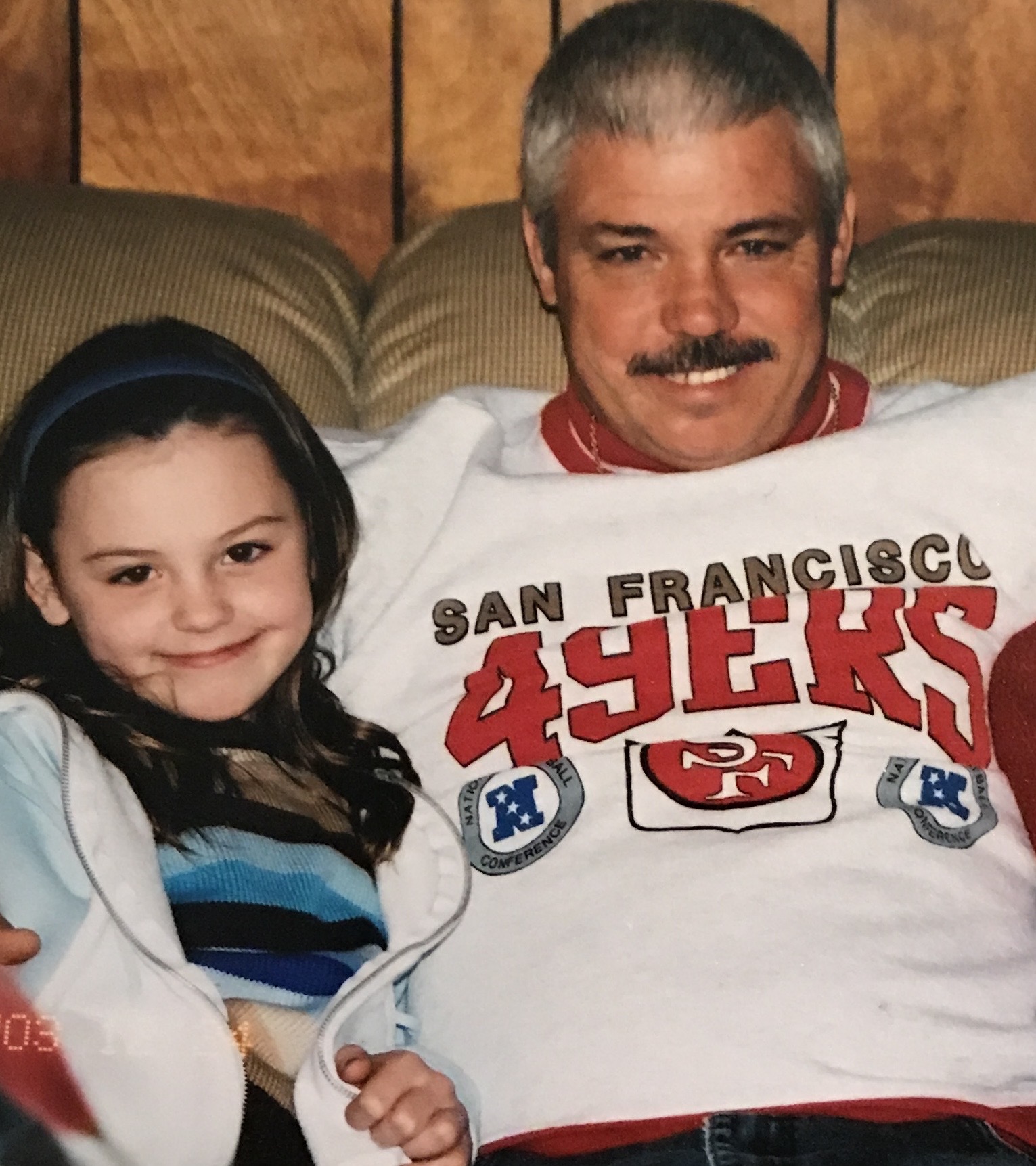
At 30 years old, Shelley lives in Chattanooga, Tennessee — not as someone defined by illness, but as someone shaped by fortitude. She described herself simply: “I’m resilient, deeply empathetic, faith-driven, and stronger than I ever planned to be.” That strength was forged early on.
Six months before her own diagnosis, Shelley lost her father to glioblastoma. “Being diagnosed with vasculitis in the same season of life forced me to grow up quickly,” she said. “Grief and chronic illness became part of my identity at 14.”
A Diagnosis That Escalated Fast
In the summer of 2010, what seemed minor at first began quietly — dull abdominal pain, constipation, and just feeling “off.” A routine visit to her pediatrician, Dr. Peter Rawlings with Parkridge Health Systems, resulted in a simple solution: MiraLAX for what he believed was a stomach issue. For a few days, it helped. But something deeper was unfolding.
Everything happened very quickly. When she saw her pediatrician, Shelley had mild symptoms. But soon came chest pain and shortness of breath, and things escalated rapidly from there.
Shelley went to TC Thompson Children’s Hospital at Erlanger for a chest X-ray to figure out why she was having trouble breathing. It revealed something alarming: multiple nodules in both lungs; some already cavitating. “I had holes forming in my lungs,” she said. “That was the first moment a doctor said the words, ‘This could be vasculitis.’”
After leaving the hospital and on her way home – not even 10 minutes into the drive – the hospital called for the family to turn their car around and return immediately so Shelley could be admitted. “As a 14-year-old, hearing that was terrifying.”
Shelley’s kidneys and lungs were both under attack. In addition to the shortness of breath and chest pain, she had severe fatigue, diffuse abdominal pain, blood in her urine, joint pain and swelling, a skin rash, and weight loss. Lab work showed significant inflammation, anemia, and clear signs of kidney involvement. “There were red blood cell casts in my urine — which is basically your kidneys waving a white flag,” she explained. “My labs lit up like a Christmas tree.”
The day after she was admitted, doctors performed a kidney biopsy to confirm what they suspected. The results formally diagnosed her with vasculitis. Later, one of her physicians told her something that still takes her breath away: If she had waited just three more days to see her pediatrician, she would have gone into systemic organ failure and likely would not have survived.
In August 2010, Shelley was diagnosed with granulomatosis with polyangiitis (GPA), formerly known as Wegener’s granulomatosis. She and her family had never even heard the word vasculitis before. “It felt like being dropped into a medical world we didn’t speak the language of yet.”
Aggressive Treatment — and Gratitude
Because of the severity and speed of organ involvement, her medical team moved quickly. Pediatric cases were rare, and Shelley remembers a room often filled with specialists and “learning eyes.” She was cared for by a multidisciplinary team including specialists in nephrology, rheumatology, pulmonology, and multiple interns and residents. Her primary pediatric specialists were Dr. Mihail Subtirelu (nephrology), Dr. Elizabeth Simpson (rheumatology), and Dr. Joel Ledbetter (pulmonology). “They were some of the most incredible doctors I was blessed with.”
As an adult, Shelley’s primary physician for GPA has been Dr. Michael Brit at Erlanger (rheumatology). She has been with him since transitioning out of pediatric care. “I couldn’t ask for a better doctor.”
Shelley underwent aggressive treatment, including high-dose steroids, cyclophosphamide (Cytoxan®), and plasma exchange. “The treatments were intense and came with side effects,” she said. “Fatigue, immune suppression, mood changes — and the emotional weight of being a teenager on chemotherapy.
Living in Remission
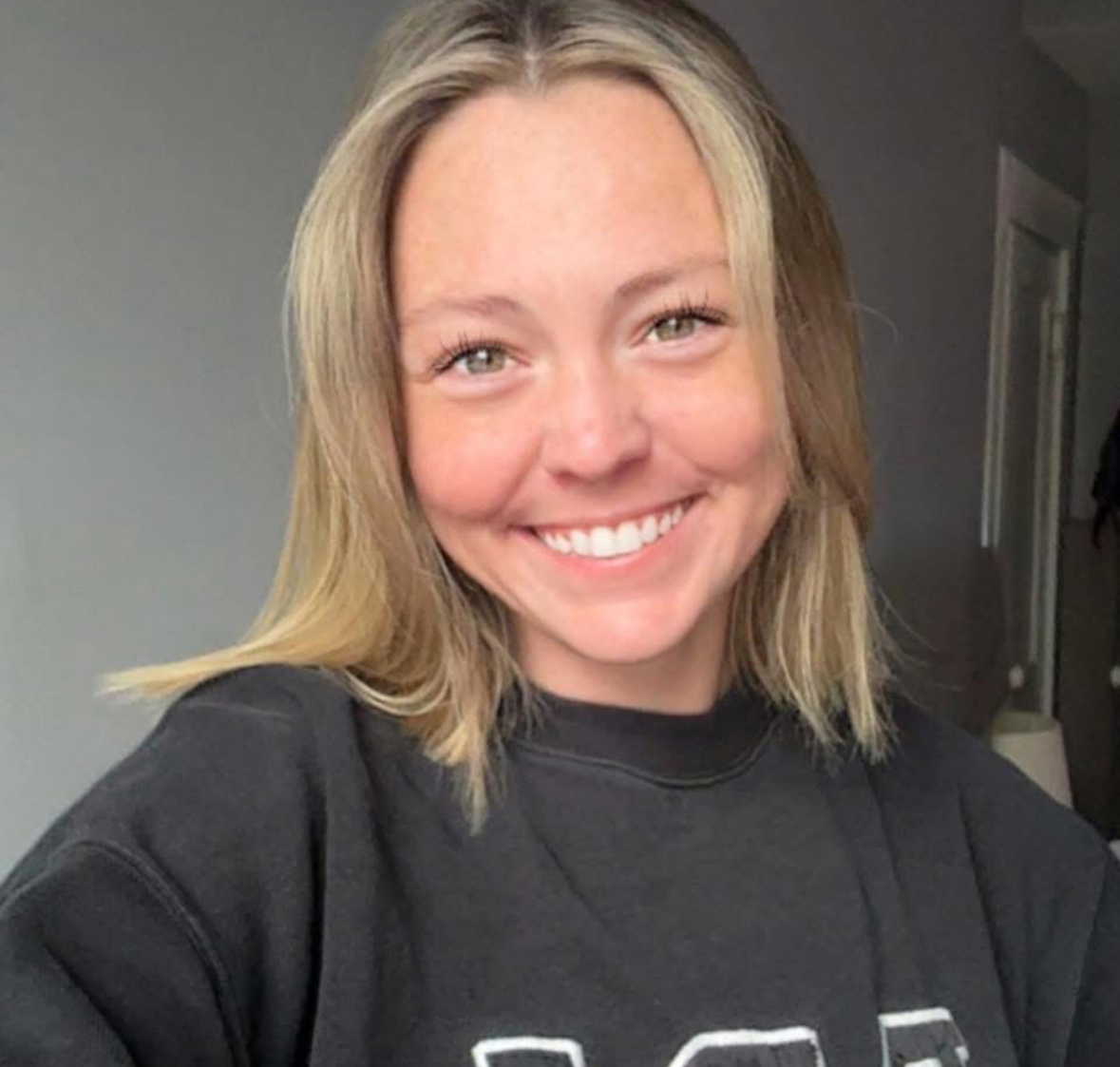
Shelley has been in remission since 2011. “By the grace of God, I have not required treatment since 2011.” Still, remission does not mean forgetting. “Remission doesn’t mean it never happened. It means stable — and stability is something I’m deeply grateful for.”
Fatigue remains something she manages intentionally. She sets boundaries, listens to her body, and stewards her health carefully. “I don’t live in fear of a flare,” she said. “But I do live aware — and that awareness has become part of how I care for myself.”
Grief and Growth
Being diagnosed the same year she lost her father permanently reshaped her emotional world. “I was grieving and fighting for my life at the same time. That kind of season changes you.” She describes it as a crash course in mortality before she even got her learner’s permit. But alongside the fear came unexpected strength.
“I understand pain and resilience differently. I’ve learned that strength doesn’t mean you aren’t scared — it means you move forward anyway.”
Her faith became foundational. So did her mother, whom she calls her anchor. Together, they adopted a mantra that still guides her life: “We will figure it out. We always do.”
“It applies to grief, chronic illness, and any obstacle life throws my way,” she said. “Strength isn’t about erasing pain. It’s about learning how to carry it without letting it define you.”
Hope at 30
There was a time when doctors warned she might need a kidney transplant by age 21. Today, she is 30 and thriving. “The fact that I made it to 30 gives me hope,” she said. “I thank God every day for waking me up and giving me the life that He has blessed me with.”
Shelley now shares her story openly. She believes visibility matters — especially for rare diseases and pediatric patients who need to see examples of remission and possibility. “The beginning is the scariest part,” she says to those newly diagnosed. “Ask questions. Advocate for yourself. Lean on your support system. And hold onto hope. Remission is possible.”
Her diagnosis, she believes, is part of her story — but it is not the end of it.