
Gary Naccarato:
Rebuilding a Life After Neuro-Behçet’s Disease
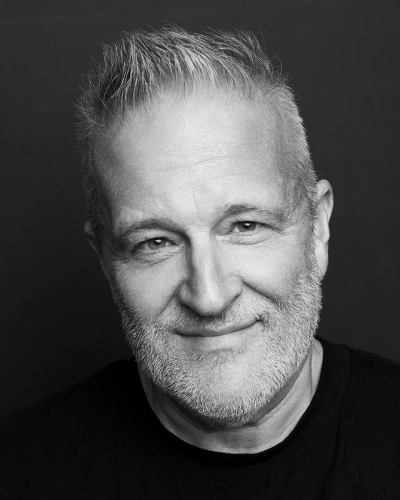
When life changed for Gary, a 57-year-old former Emmy Award-winning television producer in Los Angeles, it did so without warning. About two decades ago, he found himself fighting for his life against Neuro-Behçet’s disease, a rare form of vasculitis affecting the central nervous system. The illness changed far more than his health. It reshaped his identity, ended one career, and eventually led him to another.
“I spent more than 20 years working in the film and television industry before illness completely changed the direction of my life,” he said. “Today I help people navigating chronic illness, pain, anxiety, grief, and major life transitions through my hypnotherapy practice.”
Initial Signs
Gary’s first symptoms appeared in October 2007 with what seemed like relatively common complaints: mouth sores and overwhelming fatigue. Although he considers himself fortunate to have received a diagnosis within about 18 months—approximately April 2009—the journey was anything but straightforward. “For the first six months or so, I was repeatedly told it was psychological or that I had a sexually transmitted disease,” he recalled. “Once I started showing neurological symptoms, I got a bit of pushback. No one doubted I had Behçet’s disease, but it was slow finally getting proof that I had neuro involvement.”
Gary’s diagnosis came through extensive clinical evaluation, blood work, imaging studies, and consultations with specialists around the country. His care included dermatologist Dr. Rebecca Fitzgerald, rheumatologists Dr. Arasha Horizon and Dr. Boris Ratiner, along with evaluations at UCLA, NYU, Boston Medical Center, and the Cleveland Clinic. Testing confirmed he was HLA-B51 positive, and three SPECT brain scans performed over several years showed progressive abnormalities consistent with central nervous system vasculitis. Although he had heard of vasculitis before his diagnosis, Behçet’s disease was entirely unfamiliar to him.
When the Disease Took More Than His Health
As Neuro-Behçet’s progressed, it affected almost every aspect of Gary’s life. He developed severe cognitive impairment, memory loss, confusion, vertigo, debilitating headaches, blurred vision, slowed motor skills, and profound fatigue. Simple daily tasks became impossible. “I became unable to drive, navigate crowded environments, or care for myself,” Gary said. “Eventually I required full-time care for more than three years.”
The disease eventually took away his career, his independence, his confidence in his own mind, and ultimately his home. Physically, he endured recurring oral and genital ulcers, gastrointestinal complications, muscle pain, and periods when he relied on a cane simply to walk.
Before reaching remission, Gary describes his illness as feeling like one continuous neurological flare. Brief periods of improvement that once lasted days or weeks gradually disappeared until his symptoms became nearly constant.
More Than a Physical Illness
For Gary, one of the most devastating aspects of Neuro-Behçet’s wasn’t visible to others. “The neurological involvement affected far more than my body—it changed my thinking, emotions, and sense of self.”
During the worst period of his illness, Gary experienced profound depression, suicidal thoughts, and attempted to take his own life. He was hospitalized twice under psychiatric care—once following his suicide attempt and later after a psychotic episode. “Looking back, I understand that my brain was inflamed, and I was trying to survive something I couldn’t yet understand,” he reflected. “It remains one of the darkest periods of my life.”
These days, he speaks openly about that chapter because it reflects an often-overlooked reality of neurological disease. “Being able to say I’m alive, healthy, and helping others feels nothing short of extraordinary.”
The Support That Helped Him Survive
Throughout his illness, Gary credits an extraordinary support system with helping him survive. “I was incredibly fortunate,” he said. “I had an exceptional rheumatologist who refused to stop looking for answers, unwavering support from my family, my partner—now my husband, P.J. Wolff—and tremendous understanding from my employer at the time. Looking back, I know not everyone has that kind of support, and I never take it for granted.”
His treatment evolved dramatically over the years, including immunosuppressants, biologics, steroids, psychiatric medications, ketamine, interferon, and other therapies. More recently, however, his medical regimen has become much simpler. “I’m grateful that my treatment is relatively simple compared to where it once was,” he said. “I currently take 0.6 mg of colchicine twice daily and have remained in remission.” As his symptoms stabilized, Gary came to understand that recovery involved more than medication alone.
Over time, he came to see psychological support and nervous-system regulation as essential to regaining stability. Mindfulness, self-hypnosis, relaxation techniques, and other calming practices helped him rebuild trust in himself. “Eventually, I learned that healing wasn’t only about reducing inflammation,” he said. “It was also about learning how to feel safe in my own body again.”
Life in Remission
Gary has been in remission since mid-2021. “Most people who meet me have no idea I was ever ill, and in many ways that’s one of the greatest gifts remission has given me—the chance to simply be myself again.”
For Gary, remission extends far beyond symptom control. “It meant getting pieces of my life back that I thought were gone forever,” he said. “It meant being able to drive again. To work again. To think clearly. To fall in love again. To marry my husband. To build an entirely new career helping others.”
“I don’t take any of those things for granted because there was a time I believed none of them would ever be possible.”
A New Purpose
Now, Gary’s greatest source of hope is purpose. “Every time I share my story, I’m reminded that remission is possible and that people are capable of rebuilding lives they once believed were over.” That sense of purpose now shapes both his work and the life he is still creating.
He practices hypnotherapy, is writing a memoir about his experience, hosts a podcast exploring the subconscious mind, creativity, and healing, and hopes to spend more time speaking publicly about resilience, identity, and recovery. He also hopes to become more involved in vasculitis advocacy and education. One idea has become central to that work: “The stories we repeat don’t just describe our reality; they influence what we do next.”
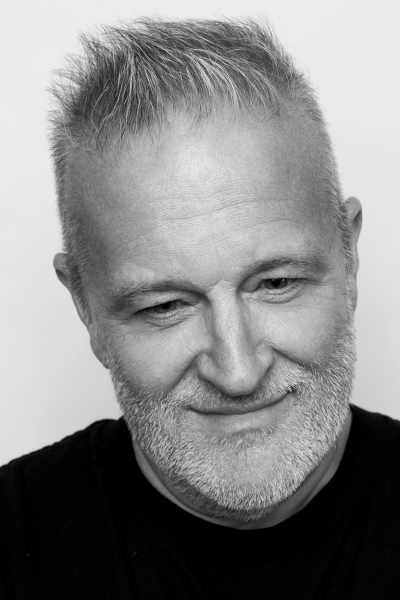
Alongside that, Gary and his husband look forward to a quieter chapter of life together in the desert—something that once seemed impossible.
Telling his story is part of what gives the experience meaning. “If sharing my story helps even one person feel less alone, then it’s worth telling.”
Advice for Others Beginning the Journey
Looking back, Gary hopes newly diagnosed patients remember that the future can look very different from the present. “First, be kind to yourself,” he said. “Your body is fighting something incredibly difficult.”
He encourages people to believe remission is possible, reduce unnecessary stress whenever they can, ask for help when it’s needed, and care for both their physical and emotional well-being. “Follow your medical team’s advice,” he said, “but don’t underestimate the value of caring for your nervous system as well.”
Gary’s advice is rooted in simple acts of hope. “Even on your hardest days, try to do one small thing that reminds you life is still moving forward. Walk to the end of the driveway. Sit outside for 10 minutes. Pet your dog. Tiny victories matter.”
Asked what surprised him most about living with vasculitis, he said, “Losing my health wasn’t the hardest part. Losing my identity was.”
“Recovery wasn’t simply about reducing inflammation—it was learning who I was without the career, confidence, and certainty I once had. In many ways, remission didn’t return me to my old life. It helped me build an entirely different one.”
Gary hopes his story reminds others living with vasculitis that even after profound loss, recovery can include not only remission, but the opportunity to build a meaningful new life.