
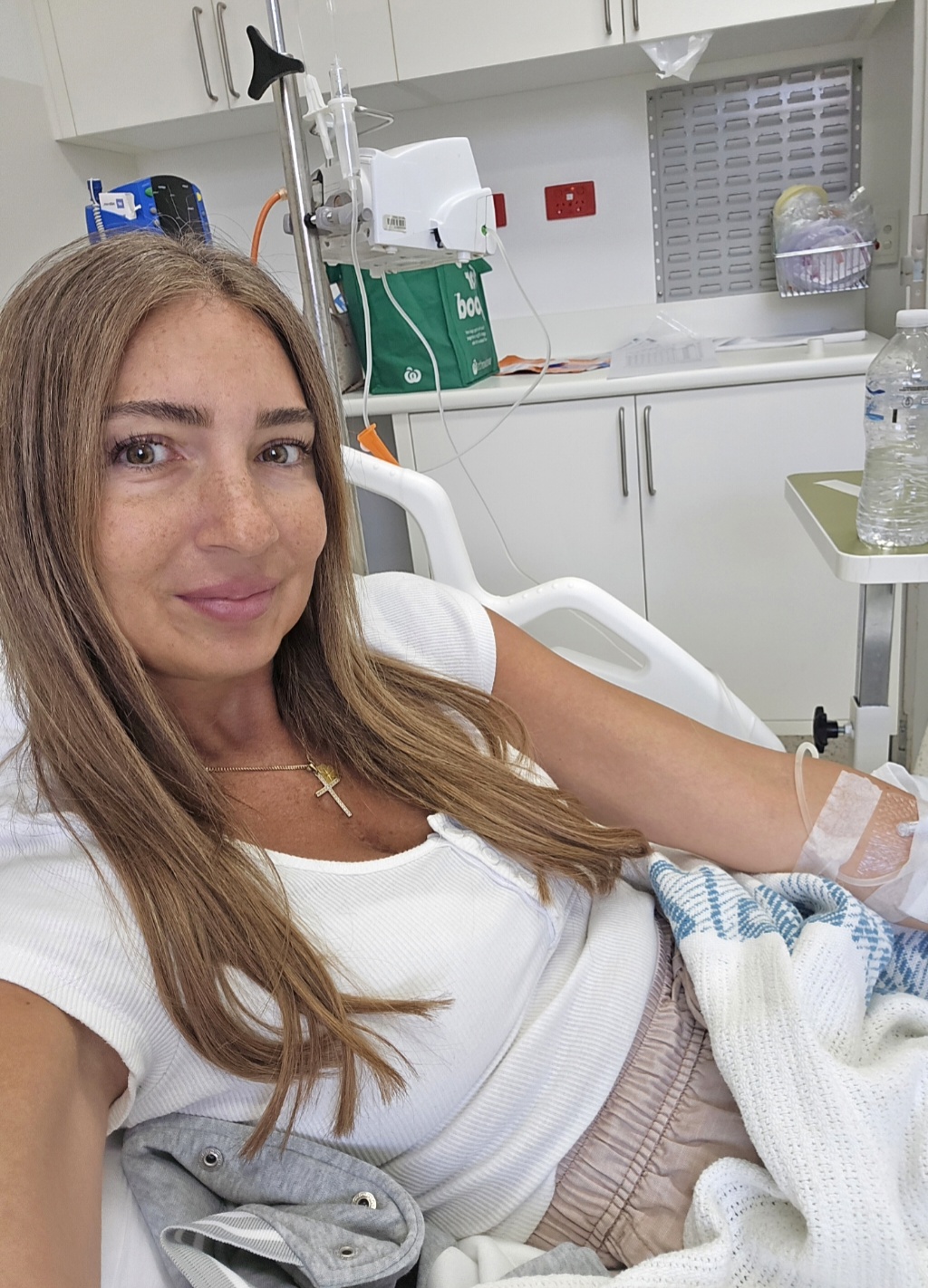
Belinda is from Sydney, Australia, and describes herself as a positive person who loves to travel, have fun, and be “the calm to anyone’s storm—except my own (ha-ha).” Just a few years ago, her life looked very different. What began as sinus issues and asthma would turn into a life-threatening diagnosis of eosinophilic granulomatosis with polyangiitis (EGPA)—and a fight for survival she never could have imagined.
When Something Wasn’t Right
Belinda’s journey began in March 2023, though the warning signs had been there longer. What she thought were ongoing sinus issues and asthma escalated into something far more serious. “I started experiencing severe chronic pain in my arms going down to my fingers, so severe my fingers would go numb,” she recalled.
Despite multiple doctor visits, initial scans showed nothing conclusive. She was advised to try conservative treatments, but her symptoms continued to worsen. It wasn’t until she pushed for further investigation that things began to shift.
Within three months of actively advocating for herself, Belinda finally received answers. But those answers came with frightening uncertainty—lesions on her brain, abnormal blood work, and the possibility of multiple sclerosis. Still, she kept pushing.
Fighting to Be Heard
As her symptoms escalated—swollen ankles, extreme fatigue, and a spreading rash—Belinda knew something was seriously wrong. Yet even then, she wasn’t always heard. “I went to the emergency room… they turned me away and told me to go to a pain management clinic,” she said.
Eventually, she was admitted to Fairfield Hospital, where her condition rapidly deteriorated. After extensive testing, her neurologist, Dr. Ibrahim Hanna, delivered the diagnosis of EGPA.
A Life-Threatening Spiral
Belinda’s health declined rapidly. Her organs began to fail, and despite aggressive treatment, including immunosuppressants and infusions—the disease continued to progress. What stands out most in her story is not only the severity of her illness, but how often her concerns were dismissed. “I complained a lot about my heart beating hard and fast,” she explained, “but I was told it was just the high-dose steroids.”
After being discharged, her condition worsened dramatically within days. She was rushed back to the hospital, where she would spend the next two months isolated, battling infections and worsening organ failure. “They would walk in my room and tell me I’m dying,” she said.
Even then, Belinda continued to speak up, especially when she struggled to breathe. One night, she feared the worst. “I told my mum I loved her… I told the nurse I was struggling to take a breath.” The response? “The nurse told me I had anxiety and that I was having a panic attack.”
The Turning Point
The next morning, Belinda was rushed to the ICU. What followed was a series of critical events she only later learned about from her family. After a procedure, she went into cardiac arrest. Her heart could not be restarted. Doctors placed her on extracorporeal membrane oxygenation (ECMO), an advanced form of life support. Her family was told to prepare for the worst. “They were told there was nothing more they could do for me and to start saying their goodbyes,” she shared. But her family refused to accept that outcome. They demanded answers and action—advocating for her when she no longer could. That advocacy saved her life.
Belinda was transferred to a specialist hospital, St. Vincent’s in Sydney, where doctors discovered the real cause of her breathing issues: a severely damaged heart valve. “That valve was leaking blood into my lungs, which is why I couldn’t breathe,” she explained. She underwent open-heart surgery, was taken off life support, and survived.
The Long Road Back
Survival was only the beginning. Belinda faced months of recovery, including dialysis, rehabilitation, and relearning basic movements. “I couldn’t move at all—I had to re-learn how to walk and even hold a pen,” she said.
She lives with lasting effects, including chronic fatigue, nerve damage, and the emotional weight of trauma. “I’m filled with anxiety and PTSD from the whole experience. But mostly, I’m filled with gratitude.”
Determined to reclaim her life, Belinda returned to work just weeks later. “I wanted my normal life back so bad,” she said, even though the exhaustion was overwhelming.
Life After Vasculitis
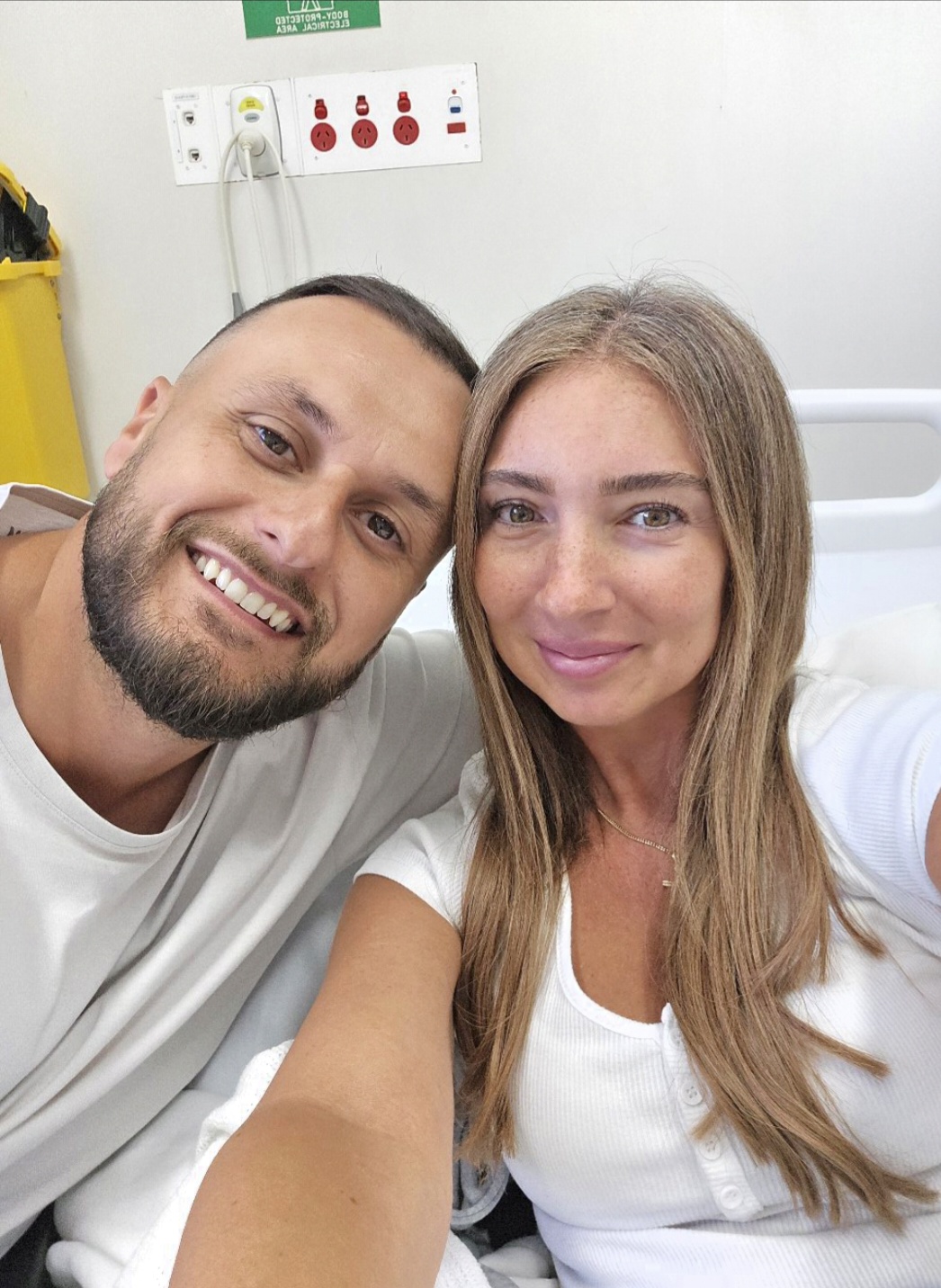
Today, at 41, Belinda is in remission—and her life, while different, is full. “One year on, I met the love of my life, David, I’m now engaged, we’ve purchased our first home, and I’ve travelled around Australia.”
She continues treatment and manages side effects like fatigue and nausea. “Life does go on,” she said, “but only with the right attitude and positive mindset.”
One of her greatest challenges is living with an invisible illness. “I’m so tired and exhausted all the time. The challenge is appearing normal—people don’t really understand what I feel inside.”
She has found strength in community, particularly through online support groups. “I got to speak to real people with real stories. Everyone is so supportive and gives great advice.”
A Message That Could Save Lives
If there is one message Belinda wants others to take from her story, it is this: “Don’t ever give up and always advocate for yourself.”
“Doctors and hospitals help,” she said, “but only you know what you truly feel. You need to push until someone hears you. Trust yourself.”
Her journey is proof that even in the darkest moments, hope exists—and that persistence can be lifesaving. She holds onto a simple mantra: “Never give up. There is always sunshine after rain.”