

When Symptoms Didn’t Add Up
Jessica’s illness didn’t announce itself dramatically at first. It came quietly, disguised as something ordinary. “It felt like a sinus infection—although I’d never had one—or allergies,” she recalled. “Runny nose, sneezing, fatigue, headaches, body aches, chills.” What seemed manageable at first quickly became concerning. Still, in retrospect, Jessica recognized how fortunate she was. “It was pretty fast, actually,” she said of her diagnosis timeline. “It was a total of five to six weeks.”
On October 15, 2021, after a series of lab tests, lung biopsies, and an MRI of her brain, specialists confirmed that she had GPA. Multiple rheumatologists and endocrinologists were involved in reaching the diagnosis. “I have had three rheumatologists, and they’ve all been instrumental in my journey,” she explained. Until that moment, vasculitis had not been on her radar at all. “No,” she said simply. “I had never heard of vasculitis before my diagnosis.”
Navigating Treatment and Change
Jessica’s treatment journey was not straightforward. After several unsuccessful treatment attempts, she finally found stability with obinutuzumab, an infusion she receives every six months. “I’ve been on it for two and a half years now,” she explained. “I do not experience major side effects, just the usual fatigue.”
In addition to ongoing treatment, Jessica has undergone multiple surgeries related to her disease. “I had three transsphenoidal endoscopic surgeries in eight months, two of them while I was pregnant,” she said, a minimally invasive procedure that accesses the pituitary gland through the nose. “When I flare, I have inflammation in my pituitary, and the steroids don’t always reduce the inflammation. The inflammation causes the worst headaches and then pushes on my optic chiasm (where the optic nerves from both eyes meet and cross), causing partial vision loss.” Each surgery brought relief. “All three times, post-surgery, I’ve regained my vision,” she shared. Her most recent surgery took place in May 2023.
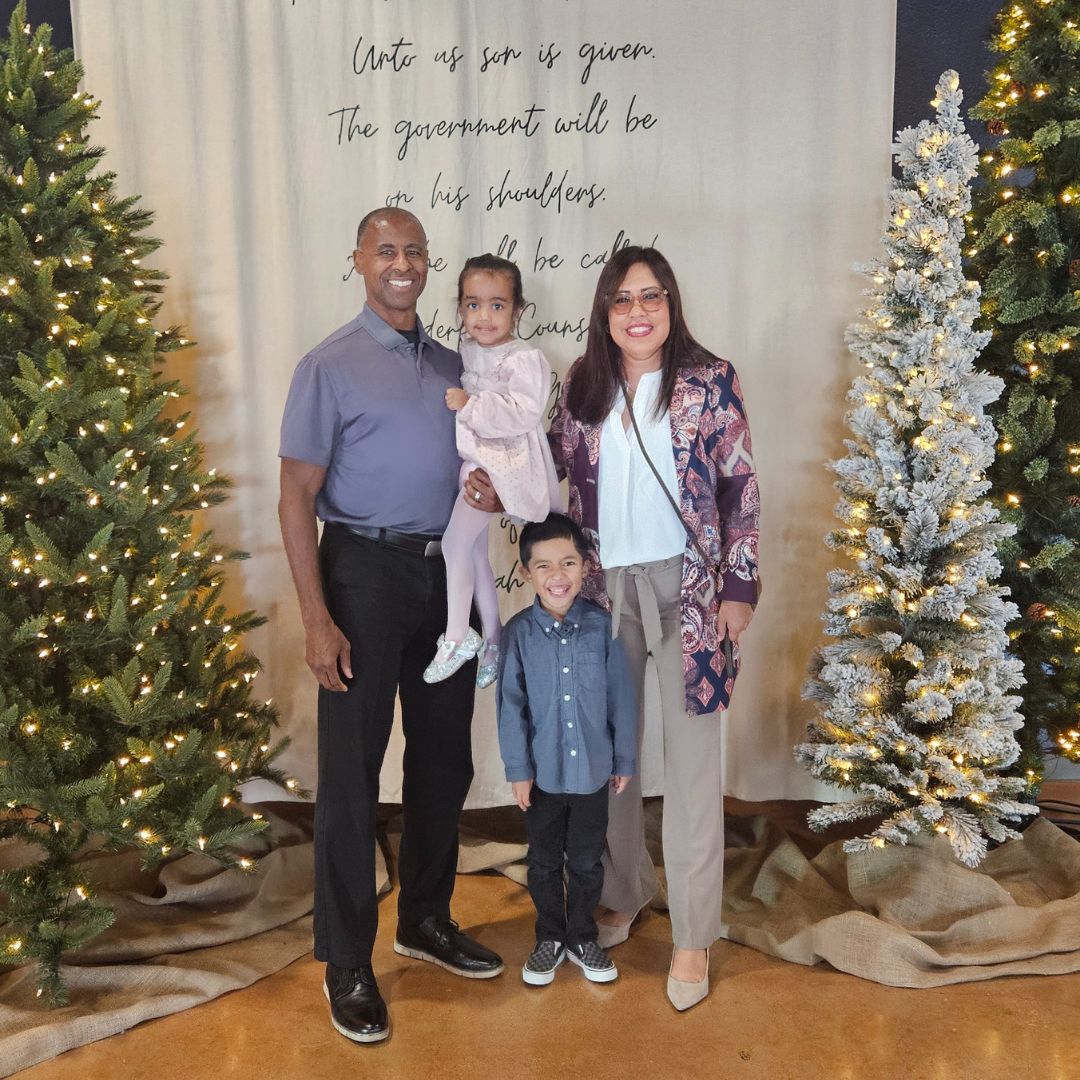
One year after her diagnosis, while in a flare, Jessica gave birth to a baby girl who is now 3 years old.
Still, the physical toll of the disease—and the treatments—has been lasting. “My body is not as mobile as it once used to be,” she shared. “After so many infusions and surgeries, my body will never be the same. But I try to keep moving, no matter what.” That determination reflects how Jessica approaches life now: with awareness, intention, and grace for her limitations.
The Emotional Weight of Diagnosis
The diagnosis affected more than Jessica’s body—it shook her emotionally and spiritually. “After being diagnosed, I hit a dark place and sought help,” she said. “I leaned on my faith and support system.”
Her children became a powerful source of motivation during her hardest days.
“Every day I choose not to let my diagnosis define me,” she said. “It is not easy, but seeing my children smile, seeing them grow up and reach their milestones is my why.” Jessica speaks openly about how crucial support has been to her healing. “I am supported by my spouse, Joseph, by children who rub my head when it hurts, and overall, my faith,” she added. “I read the Bible daily, and I know God always speaks to me through scripture.”
Learning to Slow Down
Life after diagnosis required adjustment. Jessica, who once pushed herself constantly, learned to listen more closely to her body. “I am more conscious of the triggers that cause stress,” she said. “I know when my body needs to slow down and pause. I used to go and go, and that was not healthy.”
She also became more mindful about nutrition, hydration, and rest, allowing her body time to reset at night. Managing stress is now a critical part of managing her disease.
“If I sense a flare coming, I let Joseph know immediately,” she said. “I ask for additional help around the house, managing the kids’ schedules and my own appointments.”
Finding Strength in Community
One of the most valuable resources for Jessica has been connecting with others who understand her experience firsthand. “I love being able to communicate with others who are in the same boat as me,” she said. “They know exactly how I am feeling!”
Her involvement in the vasculitis community has grown into leadership. She participated in the very first Navigating Your Vasculitis Journey class and is now helping others by facilitating the first Spanish-language class, beginning this February.
Looking Forward with Optimism
When asked what gives her hope, Jessica’s answer is unwavering. “My faith in God, my children, and Joseph.” Her personal mantra captures her outlook perfectly: “Faith over fear. I was made for more!”
And for those newly diagnosed with vasculitis, Jessica offers hard-earned wisdom: “You may be longing for the day when you can go back to your old life,” she said. “But that day will not come; this is the beginning of your new life. When you realize that, things will get easier for you.”
Jessica’s journey is not about returning to who she once was—it’s about becoming someone stronger, more intentional, and deeply grounded in faith. Through uncertainty and change, she continues to choose hope, one day at a time.