
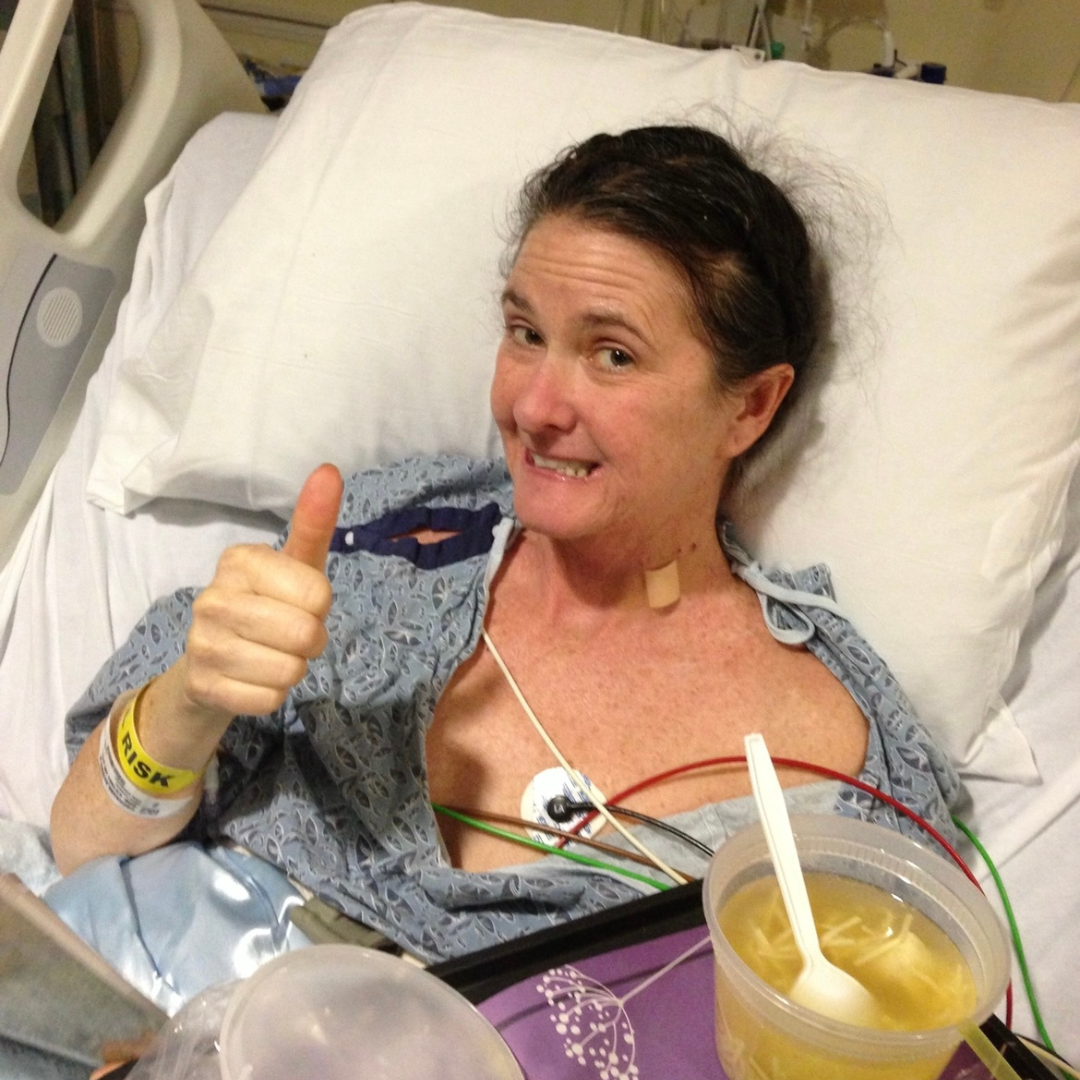
Meet Regina—a vibrant, enthusiastic woman who radiates strength, gratitude, and a profound love for life. At 61, Regina calls Sarasota, Florida, home, but her roots and heart still stretch back to New Jersey and New York. She’s been happily married for 35 years and is a proud mom to three wonderful adult children, including 25-year-old boy-girl twins and a 23-year-old son.
Regina’s days are filled with simple pleasures: She loves traveling to visit family and friends, exploring new places, cooking delicious meals, and practicing yoga. But beneath this active and joyful lifestyle lies a deeply personal story of resilience created in the face of a life-altering diagnosis: granulomatosis with polyangiitis (GPA).
Her health journey began in December 2013 with what at first seemed like a routine earache and an odd feeling of fullness in her ear. However, things escalated with surprising speed—soon, Regina found herself struggling with exhaustion, random pains, a cough, and a low-grade fever.

Overcoming Personal Challenges Outside of Health
Adding to the challenges of her recovery was the fact that just a year before her GPA diagnosis, Regina and Jim had lost their house in Hurricane Sandy. They spent the following year and a half in a rental and were in the midst of rebuilding their home. This rebuilding process became an unexpected source of strength for Regina post-hospitalization, as she became deeply involved in every step.
Multidisciplinary Medical Care and Support
The exceptional and coordinated care Regina received during her critical illness and ongoing management at NYU Langone was provided by a team of specialists, including rheumatologists Sara Kramer, MD, Cesar E. Fors Nieves, MD, and Jonathan Samuels, MD; critical care and pulmonary specialist John S. Munger, MD; otolaryngologist and neurologist specializing in skull base surgery Daniel Jethanamast, MD; and rehabilitation specialist Jonathan H. Whiteson, MD. This multidisciplinary approach made all the difference in her recovery.
The road to recovery was far from easy. Regina endured rounds of chemotherapy infusions, the rollercoaster of high-dose steroids, plasmapheresis treatments, and even temporary insulin dependence. But throughout this challenging ordeal, she remained anchored by her love for her family.
“It was such an enlightening, eye-opening experience,” she said. “I had to live for my kids.” This unexpected shift in perspective fueled her fight.
Managing GPA Today
Support arrived from every corner of her life—her incredible husband, Jim, her devoted sister and brother, her loyal friends, and the exceptional medical professionals who guided her care. Their collective strength and encouragement carried her through the darkest days, and Regina made a conscious decision to embrace gratitude, refusing to succumb to self-pity.
Today, Regina effectively manages her GPA with Rituxan infusions every six months, and thankfully, she hasn’t experienced any flares since beginning this treatment. While her immune system remains more sensitive—she navigated a tough bout of COVID that affected her lungs and experiences frequent urinary tract infections—her day-to-day life is largely unaffected. She listens to her body, prioritizes rest when needed, and maintains a hopeful outlook on the future.
Regina finds connection and valuable information through the Vasculitis Foundation on social media and eagerly anticipates attending one of our conferences in the future. Her advice to others navigating similar diagnoses is this:
“Go to the best teaching hospital, even if it requires travel. You’ll gain access to the most advanced and effective treatments available.”

Living Life Fully
Regina’s most cherished piece of advice, a personal mantra she lives by, came from her first rheumatologist after her diagnosis and hospitalization: “Live your life.” And that is precisely what she is doing. She dreams of celebrating her children’s future weddings, embracing the joy of becoming a grandmother, and embarking on exciting travel adventures with her husband, ticking off destinations from their shared bucket list.
Her story illustrates the power of perseverance, the strength of love and support, and the ability to live life fully and joyfully—even in the face of chronic illness. Regina’s journey reminds us of all that hope can flourish even in the most challenging circumstances.