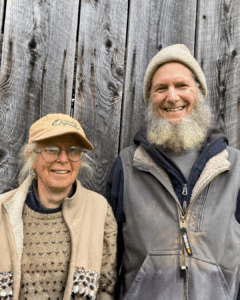
Rooted in Resilience: A Farmer’s Journey with GPA
For Eric Nordell, life has always been grounded in the earth. Since 1983, he and his wife, Anne, have run a small, certified organic vegetable farm in Trout Run, Pennsylvania. Their work is not just a job but a way of life—one that is physically demanding, management-intensive, and deeply rewarding. “I was 57 and I remember thinking at the beginning of that year that I never wanted to retire from farming,” Eric recalled. But by that summer, his body had other plans.
A Cascade of Confusing Symptoms
The first sign was a deep, unshakeable fatigue. “By the middle of the summer I was so tired that I wondered if I’d be able to complete the farming season,” Eric said. Soon, other seemingly unrelated issues appeared. His eyes became constantly irritated, which he dismissed as allergies. Then came shifting shoulder pain, which he chalked up to tendinitis from his repetitive work. This, however, didn’t explain the unnerving tingling in his left hand or his tendency to drop things. Doctors would later confirm that vasculitis had damaged his ulnar nerve, causing muscle atrophy.
A Fight for a Diagnosis
In the hospital, Eric’s case presented a dangerous puzzle. Lab tests showed high inflammation markers and kidney involvement, pointing toward GPA. However, some of his pre-existing symptoms also suggested scleroderma. The distinction was critical. “Treating me with steroids for vasculitis would have been disastrous if I actually had scleroderma,” Eric explained. With his condition rapidly declining, doctors made a bold decision. They moved him to the ICU as a precaution and began a high dose of prednisone.
Fortunately, it was the right call. “I felt better almost immediately,” Eric remembered. “Anne was relieved to find me actually sitting up in bed Friday evening, reading my favorite farm magazine.” The rheumatologist, Keith Shenberger, MD, saw Eric early Saturday morning to give him the diagnosis, which was later confirmed by a positive ANCA test and a nerve biopsy. In a gesture of true care, Dr. Shenberger went to the local farmers market to personally give Anne the reassuring news.
A Farmer’s Determination to Heal
The road ahead was steep. To protect his kidneys, Eric started on cyclophosphamide, later switching to rituximab infusions—a more targeted therapy. The true extent of the damage became clear during physical therapy. “I did not grasp the full extent of the nerve damage to my feet until the physical therapist at the in-patient rehab asked me to move my feet… and I could not do it!” he said.
He left rehab with leg braces and crutches, with his doctor warning they might be a permanent fixture. But Eric was determined. “Thanks to a lot of physical therapy, many hours of home exercises, and a farmer’s determination to get back to work, I learned to walk again without the braces and crutches.”
This recovery was a community effort. Anne took on an immense burden, caring for Eric while running the farm. Staff and helpers stepped up, and the community offered everything from prayers to financial support.
The Power of Connection and Knowledge
Support also came from fellow patients. Eric’s rheumatologist connected him with Maryellen Rosencrance, another vasculitis patient whose story of recovery gave him immense encouragement. He also found inspiration in a Vasculitis Foundation (VF) newsletter article about a champion speed skater with GPA who had overcome similar nerve damage. Joyce Kullman, Executive Director at the VF, arranged a phone call and Eric reached out and spoke with him. “Getting to hear the details directly from Kevin Boyer of how he regained the strength in his feet, ankles and calves gave me a big boost in confidence that I would have the ability to farm again.”
Eric also dove into learning about his condition. Understanding that the initial symptoms of GPA often “masquerade as common ailments” helped him make sense of the confusing year leading up to his diagnosis. Learning the difference between active disease and disease damage was another breakthrough. “It was a relief to realize that the ongoing and sometimes changing pain, numbness and weakness in my legs was damage caused by the onset of GPA, not the disease coming back and wreaking more havoc with my body.”

Life Today and Wisdom for the Journey
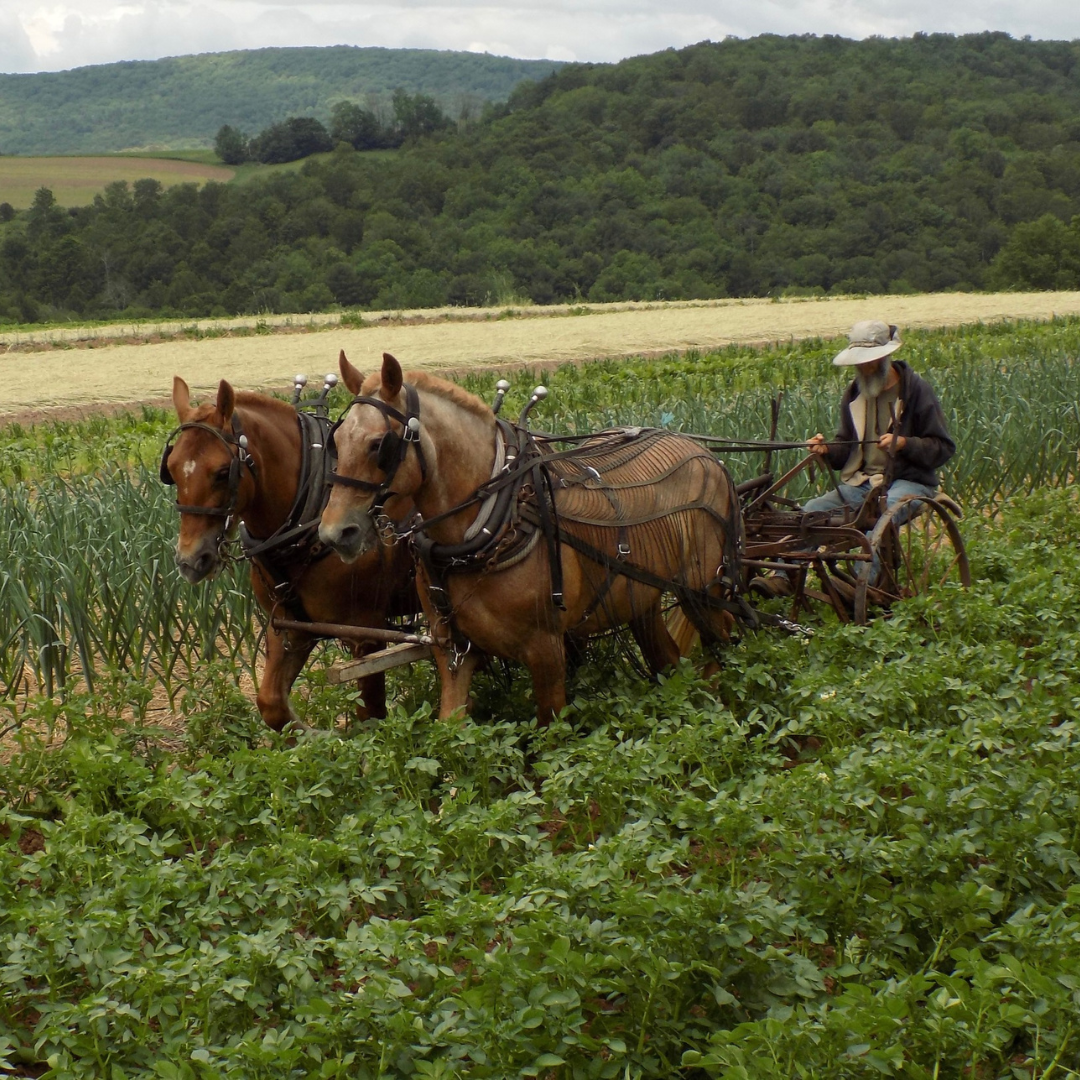
Today, more than a decade later, Eric is in long-term remission. While he doesn’t have the stamina for a full farmer’s workday, he is profoundly grateful to be back in the field, working with his horses. He remains on maintenance medication and continues with regular check-ups to monitor his health.
As he and Anne plan to scale back their farm work, Eric reflected on his journey. He offers a unique piece of advice for those newly diagnosed: “I found it helpful to think of getting better as my full-time job during my first year with vasculitis. This seemed to put the many doctor appointments, lab tests, hours of physical therapy in a more positive, productive light.”
From a season of debilitating illness to years of remission and meaningful work, Eric’s story is a powerful testament to resilience, community, and the enduring hope that can be found even on the most difficult paths.